-
Water Quality #4
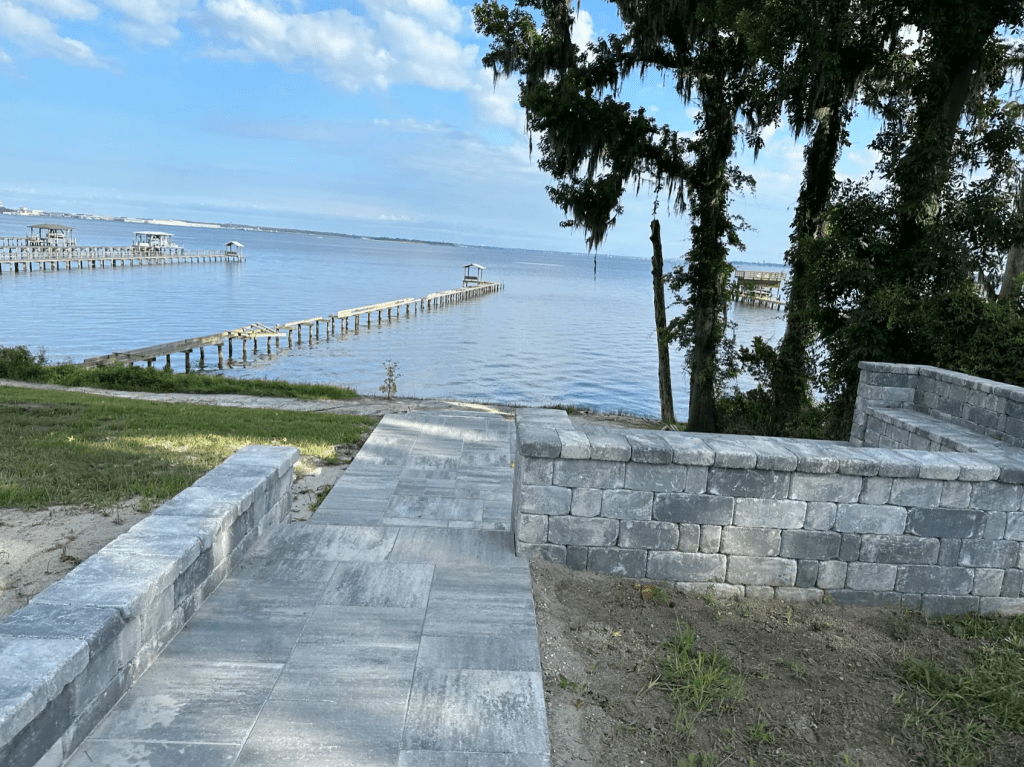
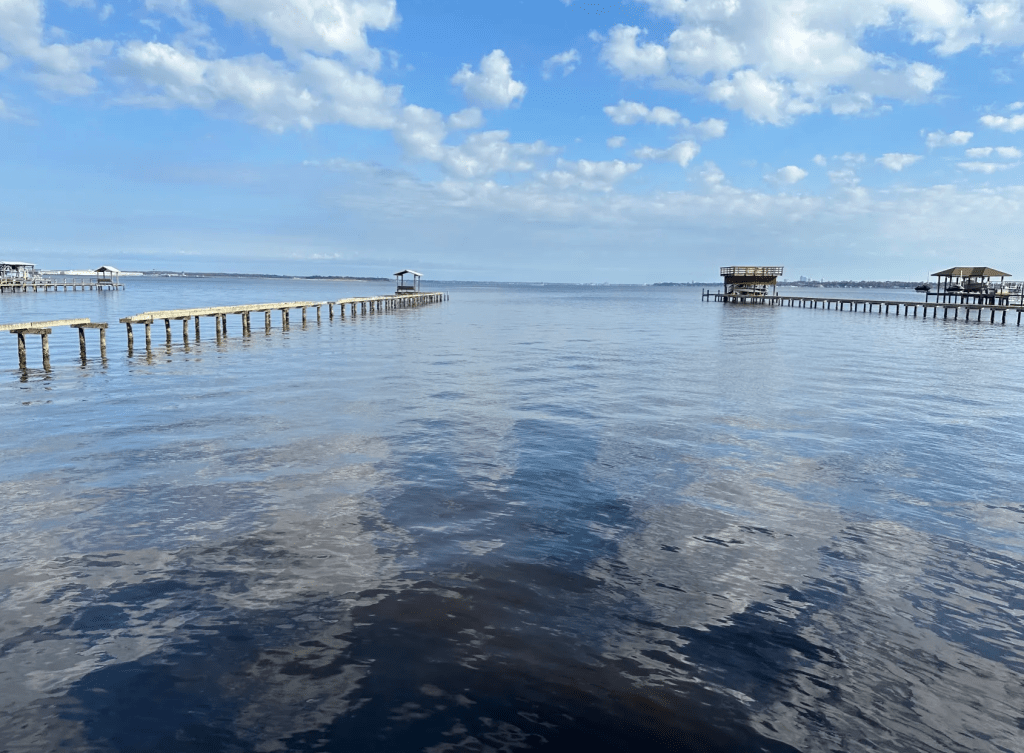
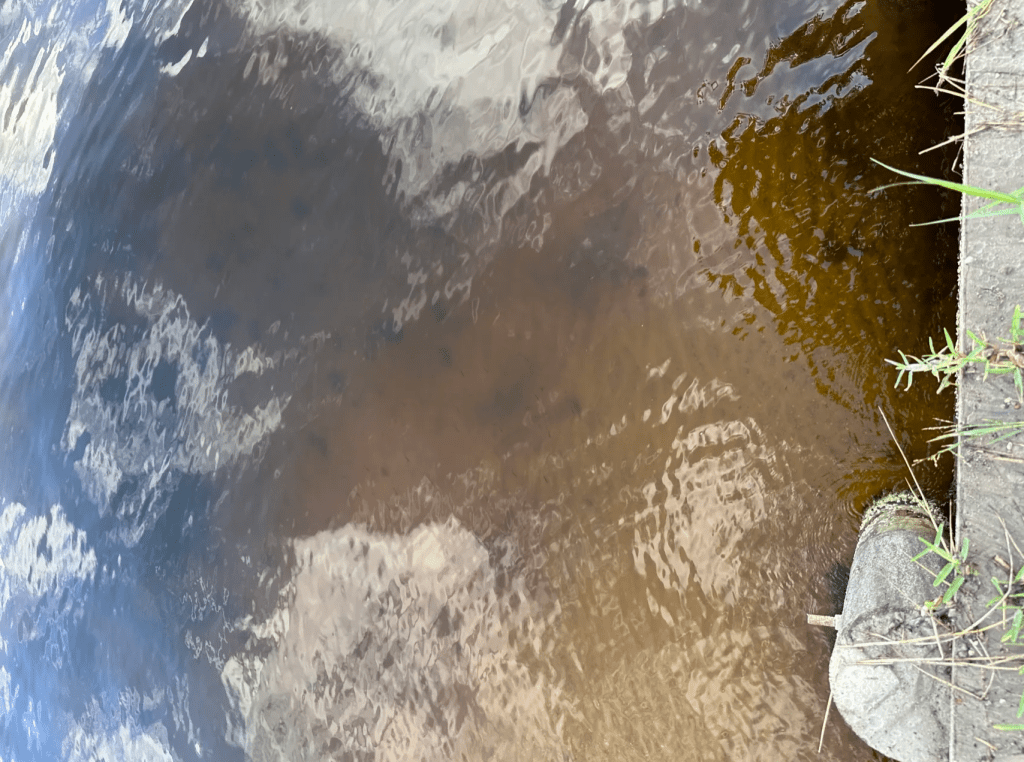
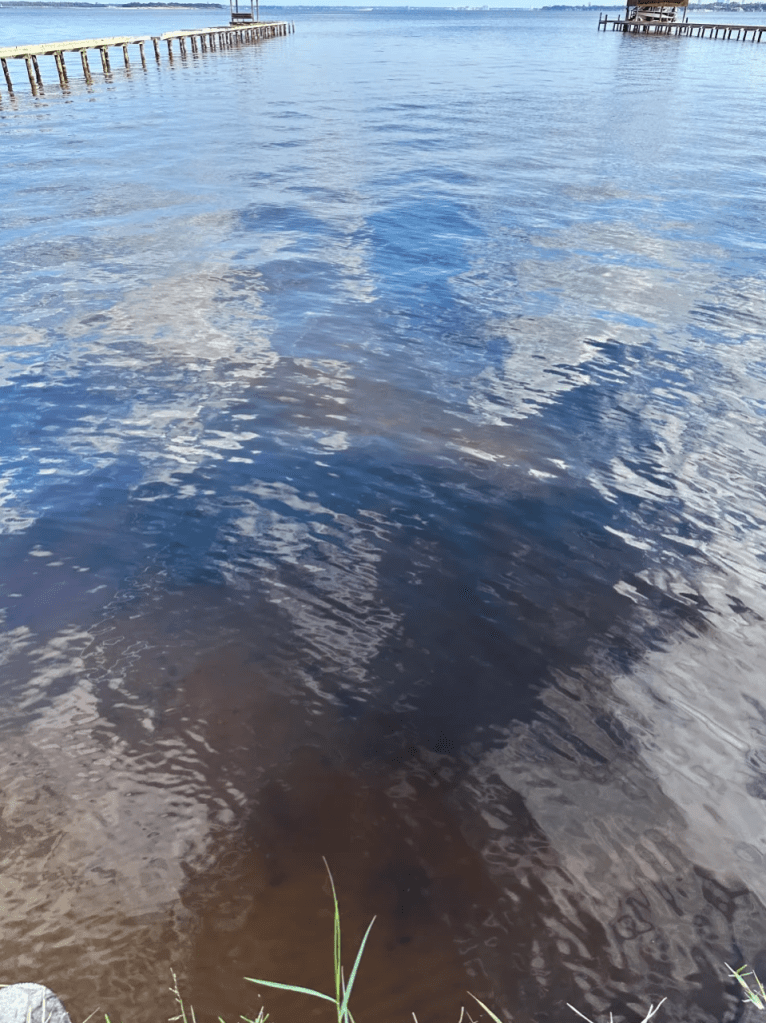
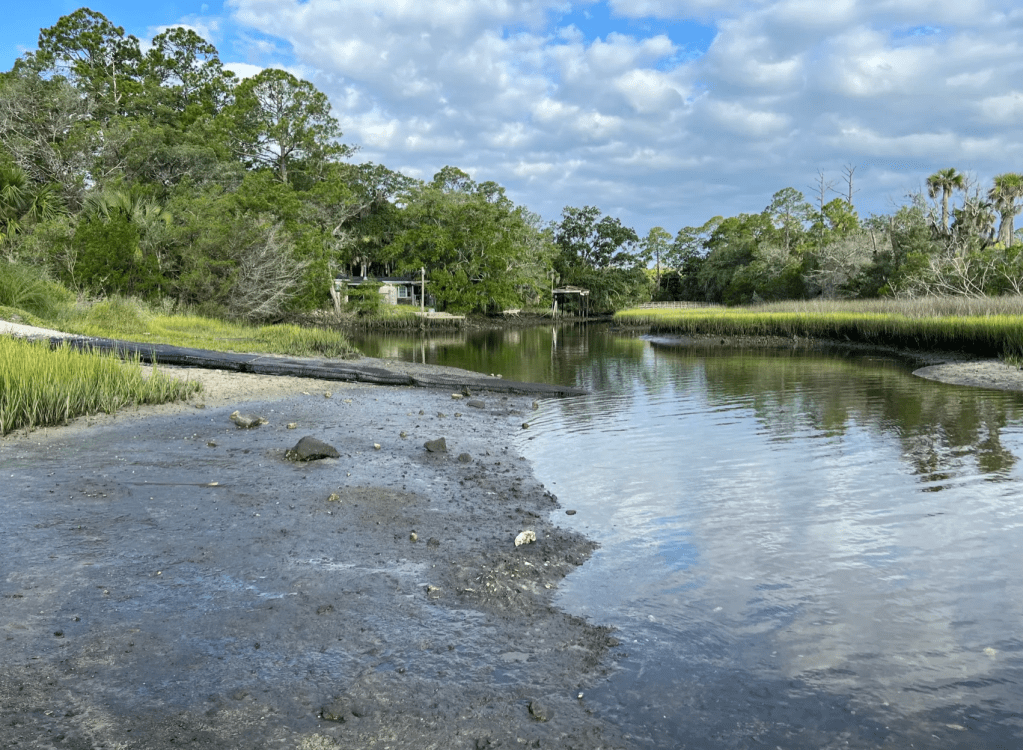
July 7th, the weather was favorable so we went into the field to collect our samples. We had selected the Tolomato and the St. Johns River, a 22 mile driving distance between each. Each we would collect 3 samples, label and store in a cooler.
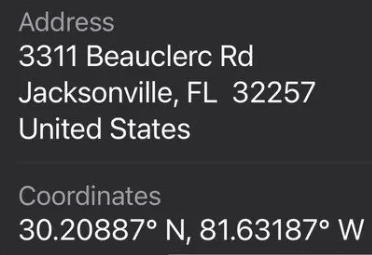
We then went to the St. Johns with the coordinates:
-
Water Quality #3
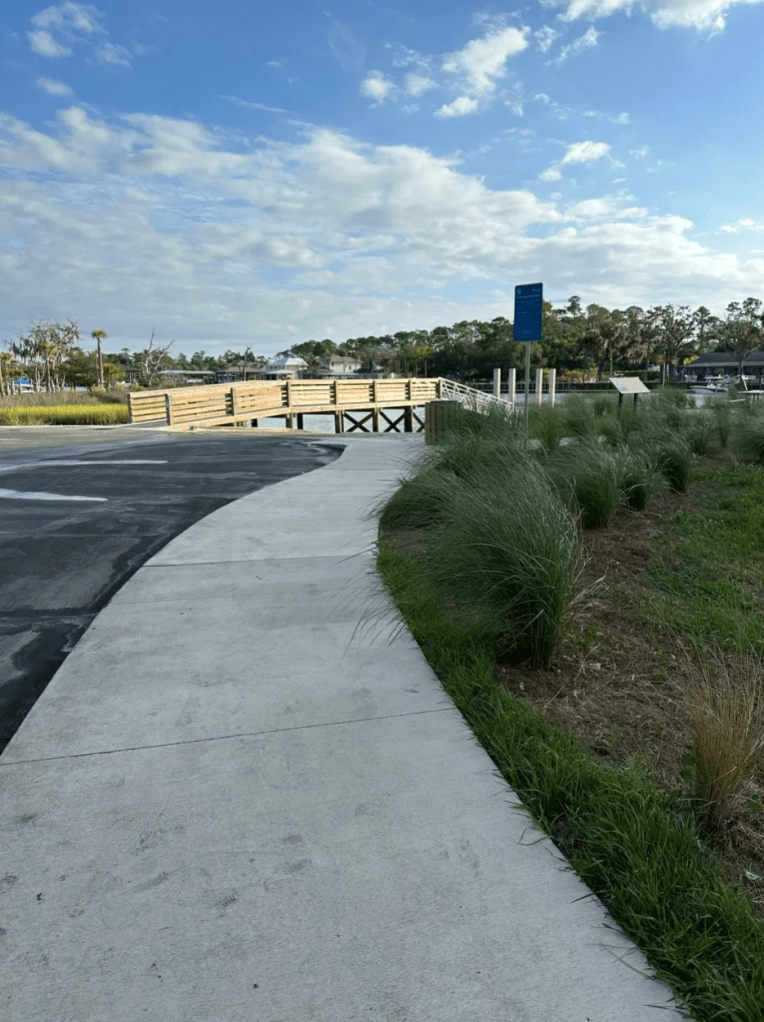
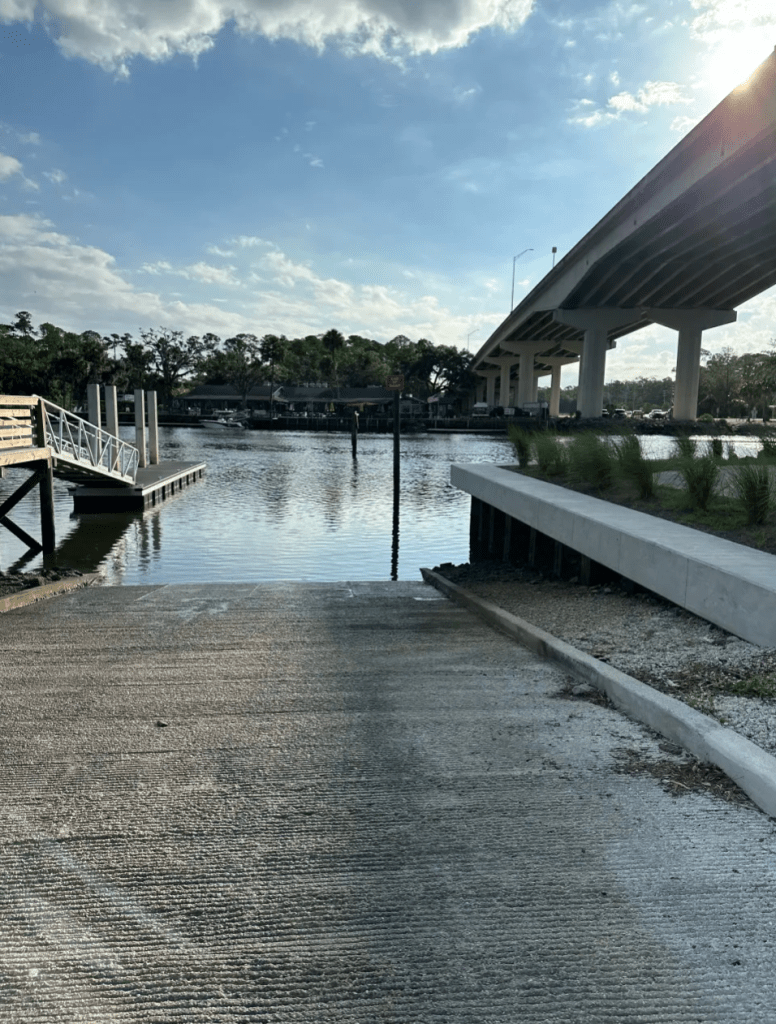
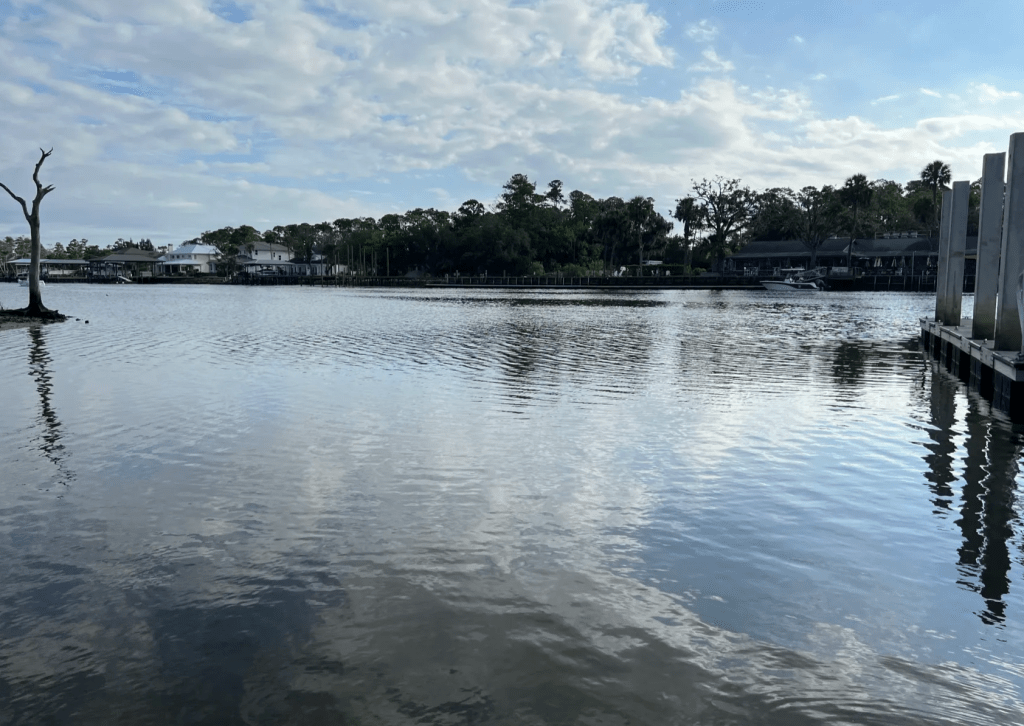
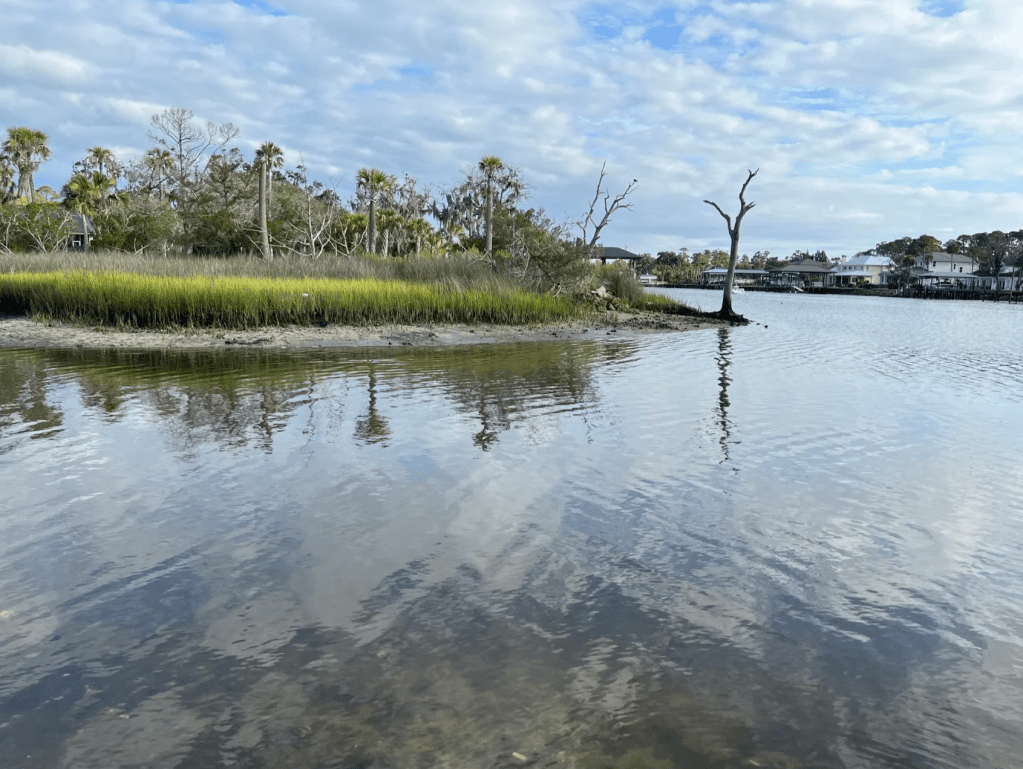
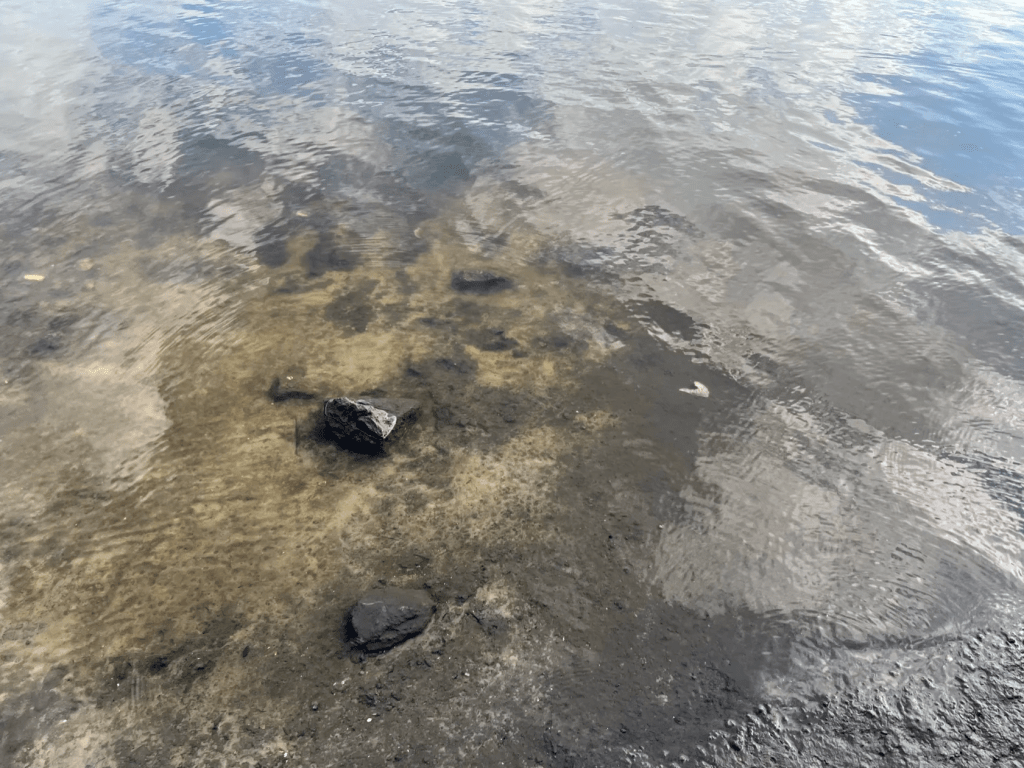
July 7th, the weather was favorable so we went into the field to collect our samples. We had selected the Tolomato and the St. Johns River, a 22 mile driving distance between each. Each we would collect 3 samples, label and store in a cooler.
We started with the Tolomato River with the coordinates: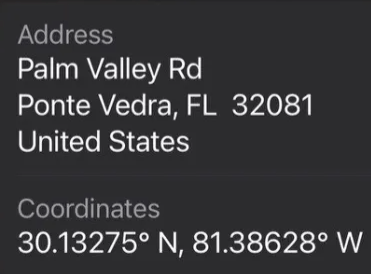
-
Water Quality #2
June 29th, all the needed equipment has arrived to start the project. We ordered sterile gloves for safety and to keep samples clean, 50 ml tubes where we would collect samples, distilled water to dilute the samples, agar plates to plate samples for bacteria, parafilm to seal plates, Liberty Gold Standard Water testing Stripes and Phosphorus and Phosphate Detection Test Stripes.
-
Water Quality Day #1
Hello, I’m Anzer Ashraf and I am planning on running a Water Quality Project in NorthEast Florida by comparing two water samples from different rivers. On June 27th, I met with my Academic Mentor, Karl Anderson a PhD Candidate at North Dakota University System. We discussed our general strategy including our approach for collecting samples and how we would test them. We concluded by ordering the necessary equipment and deciding which rivers we would sample and compare.
-
Columbia University Summer Program 2023
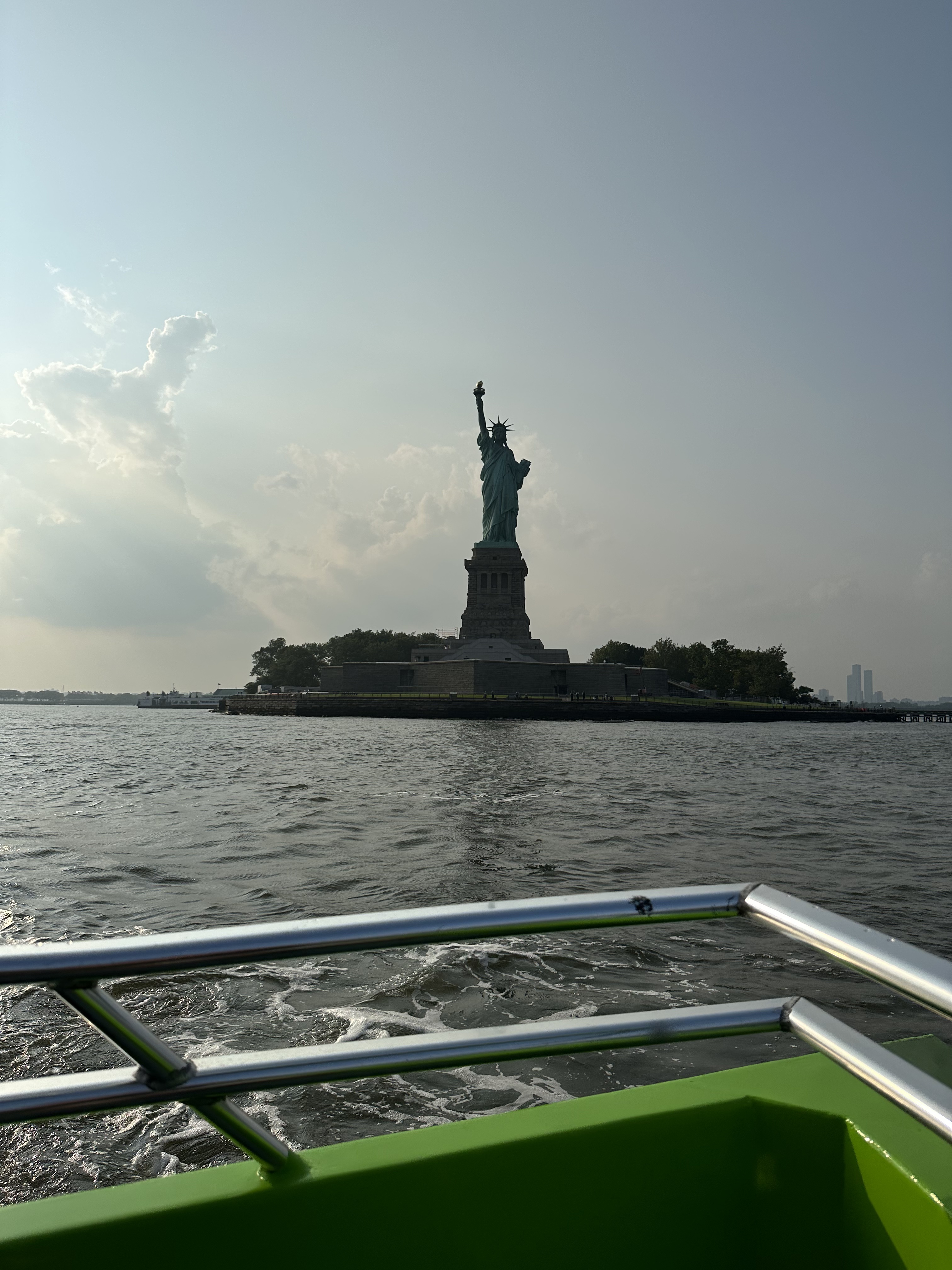
Following our family summer vacation, I traveled to New York to start a summer program held at Columbia University. Columbia’s schedule held taking a course from a college professor which included a basic environmental science and business class. We would had have 2 hour class twice a day for the next three weeks. Similarly to Yale, Columbia’s final project was working in a group to research and provide a solution for a real world problem. In this project we decided to research a solution for the declining population of the Chilean Sea Bass. Due to its rich meat it is a popular food dish and is fished at large rates. Along with this Chile has not implemented any regulations for limiting the harvest of this fish and the fish itself has a high reproductive age and low reproductive rate which contributes to the declining populations. For our solution we implemented new organizations to stop illegal fishing and regulations which provide safe zones for younger populations to reproduce and be protected from being fished. At the end of the project our group had been elected for the best research presentation, and shortly after the program had ended and I returned home.
-
Yale University Young Global Scholars Summer Program 2023
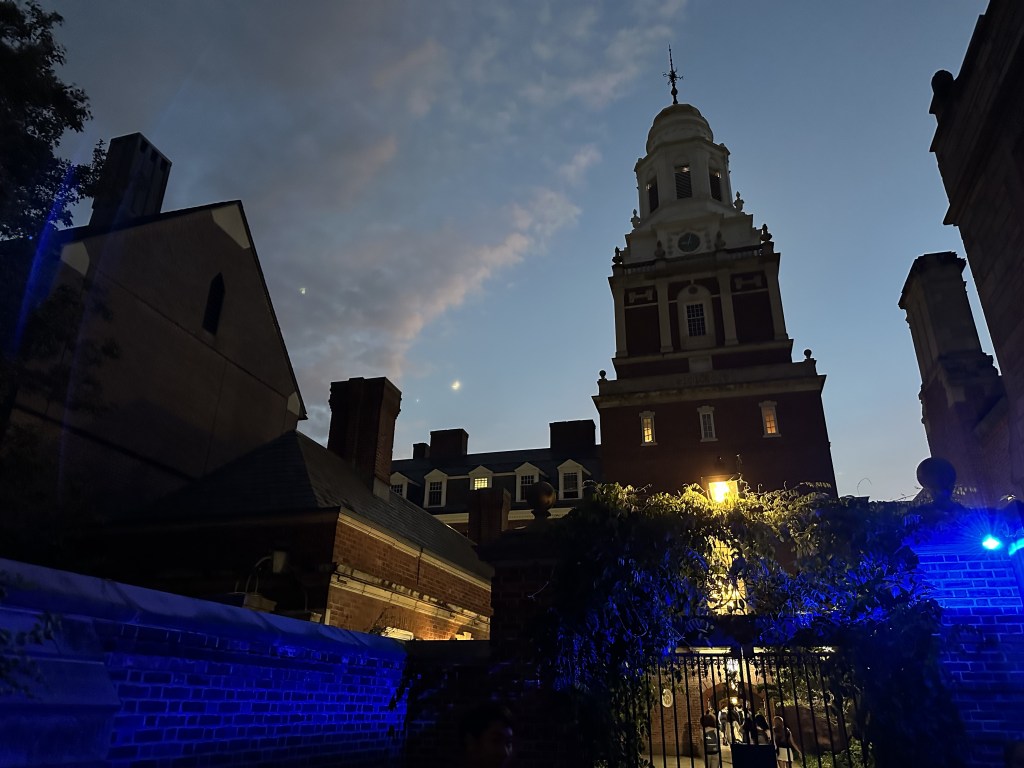
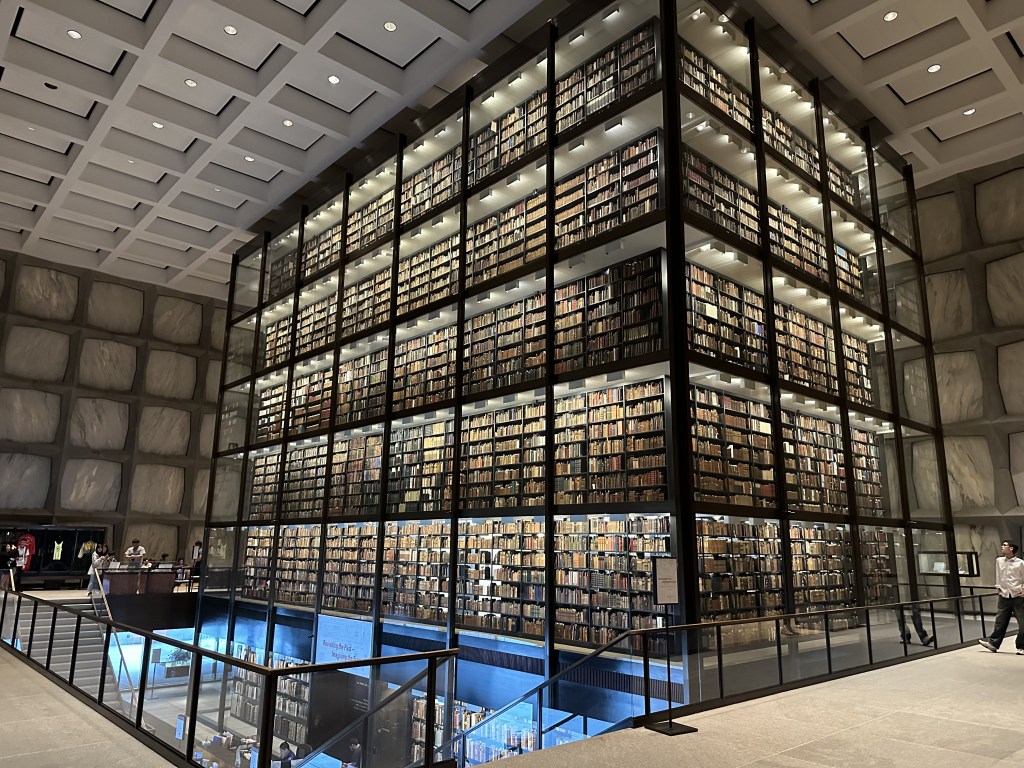
My name is Anzer Ashraf, I am 16 years old and from Ponte Vedra, Florida. I am a student at Ponte Vedra High School with a passion for environmental sciences.
This past summer, to gain more knowledge in environmental sciences, I applied to summer enrichment programs at both Yale and Columbia Universities. I was fortunate to be accepted into both summer programs.
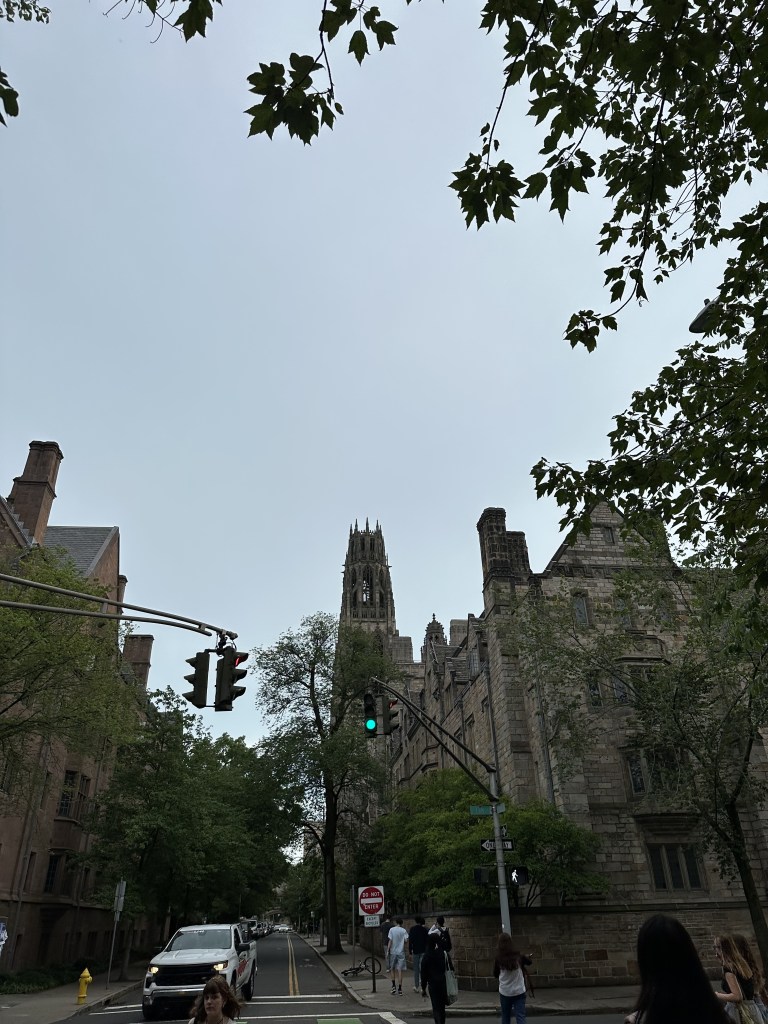
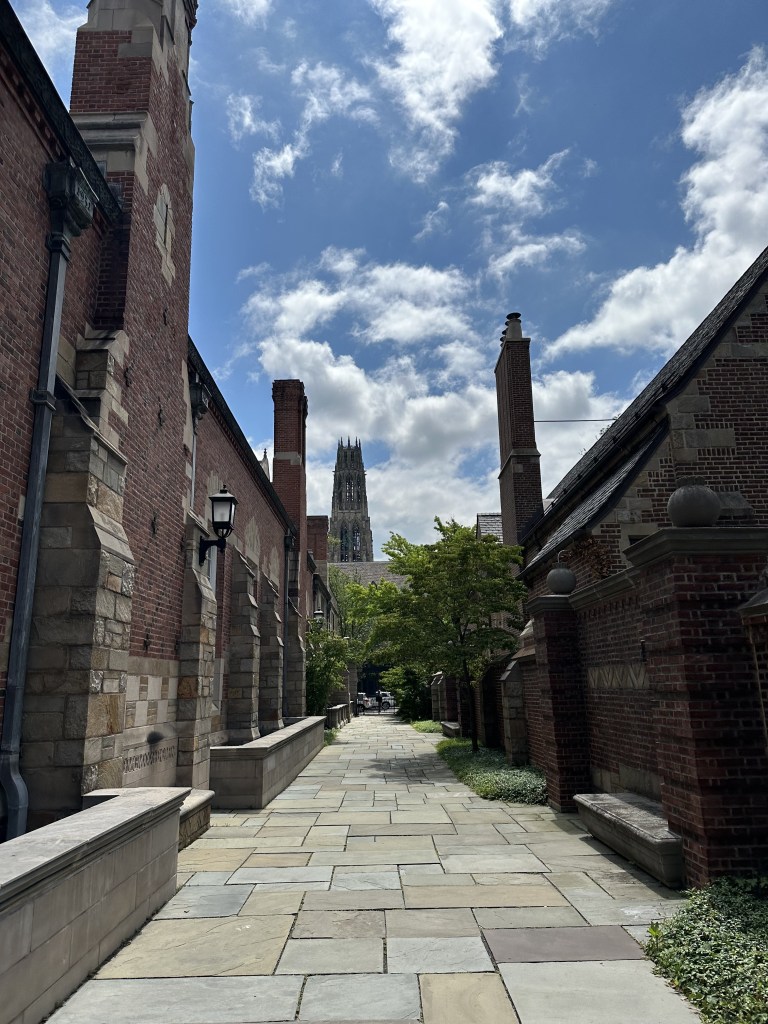
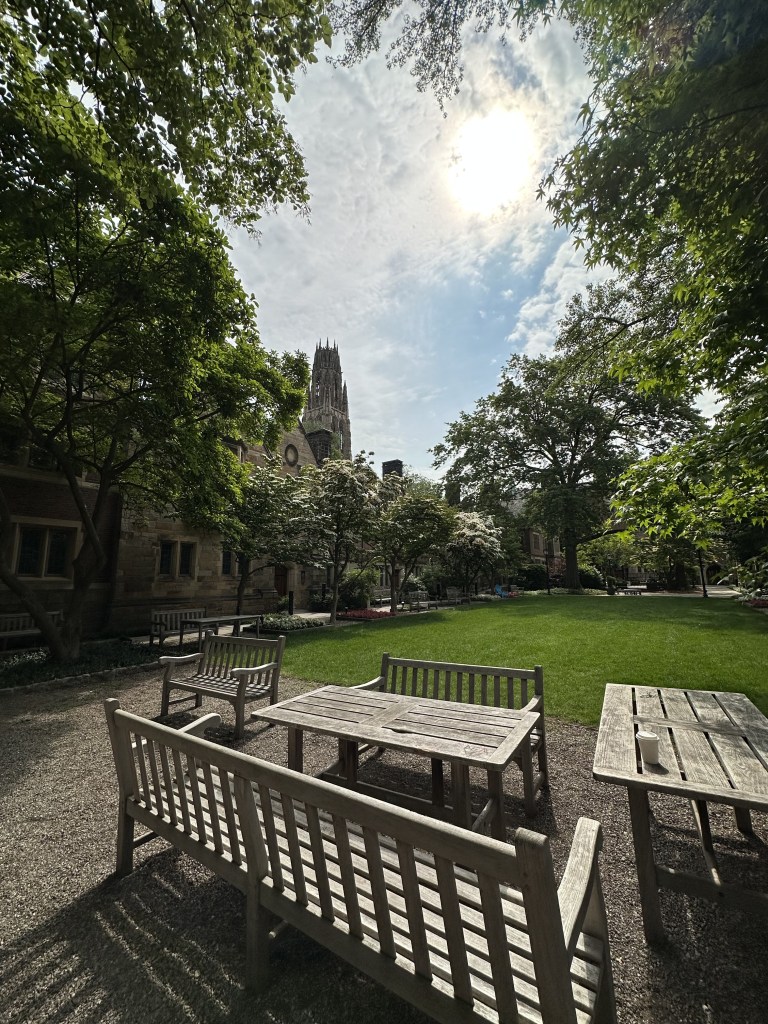
In June 2023, I started my summer at Yale for their two-week program. During my time, along with 150 other students, I attended their seminars, lectures, and final project assignments. We had one seminar per week, my first being on the topic of recycling and trash. Here we talked about the negative effects our garbage system has on our environment, we also researched several types of trash and how we could more effectively use or recycle them to limit the effects on the environment and more effectively use our resources. My second seminar was about food shortage and famine, here we discussed numerous countries who are going through a food shortage and why there is a food shortage despite having enough food for all 7 billion humans. The problem causing this was transportation. Due to the lack of transportation, we are not able to emit food to areas around the world effectively leaving us with the food shortage we are in today. Along with these seminars, we had lectures given to us by professors, most notably about the future of renewable energy in cities. The professor showed us the new technological ideas of how these energy sources would be implemented in the cities, one being using regular buildings themselves to host the energy sources! Our final part of the Yale program was researching and providing a solution for a problem for a real-world problem. I had a diverse group of individuals, one who was from Ukraine where we drew inspiration for our final project. Our research question was determining what the most effective renewable energy source is to implement on the bombed lands of Ukraine. We started with researching the land mass that was bombed and could be used to build infrastructure, then we chose 4 energy sources and determined the amount of energy they could generate meets the energy requirements and the national needs in those areas. We had chosen geothermal, nuclear, solar and wind as our energy sources and researched their feasibility, ending with nuclear being the most efficient energy source out of the four. Following the completion of my participation at the Yale program in New Haven, I returned home.
-
Subscribe
Subscribed
Already have a WordPress.com account? Log in now.
 North Florida Environmental Sciences